

Ultrasound therapy machines play a crucial role in the medical field, aiding in the treatment and management of various conditions. This blog post aims to provide an overview of the basic principles behind ultrasound therapy machines and explore their applications in healthcare.
Understanding the Basic Principles:
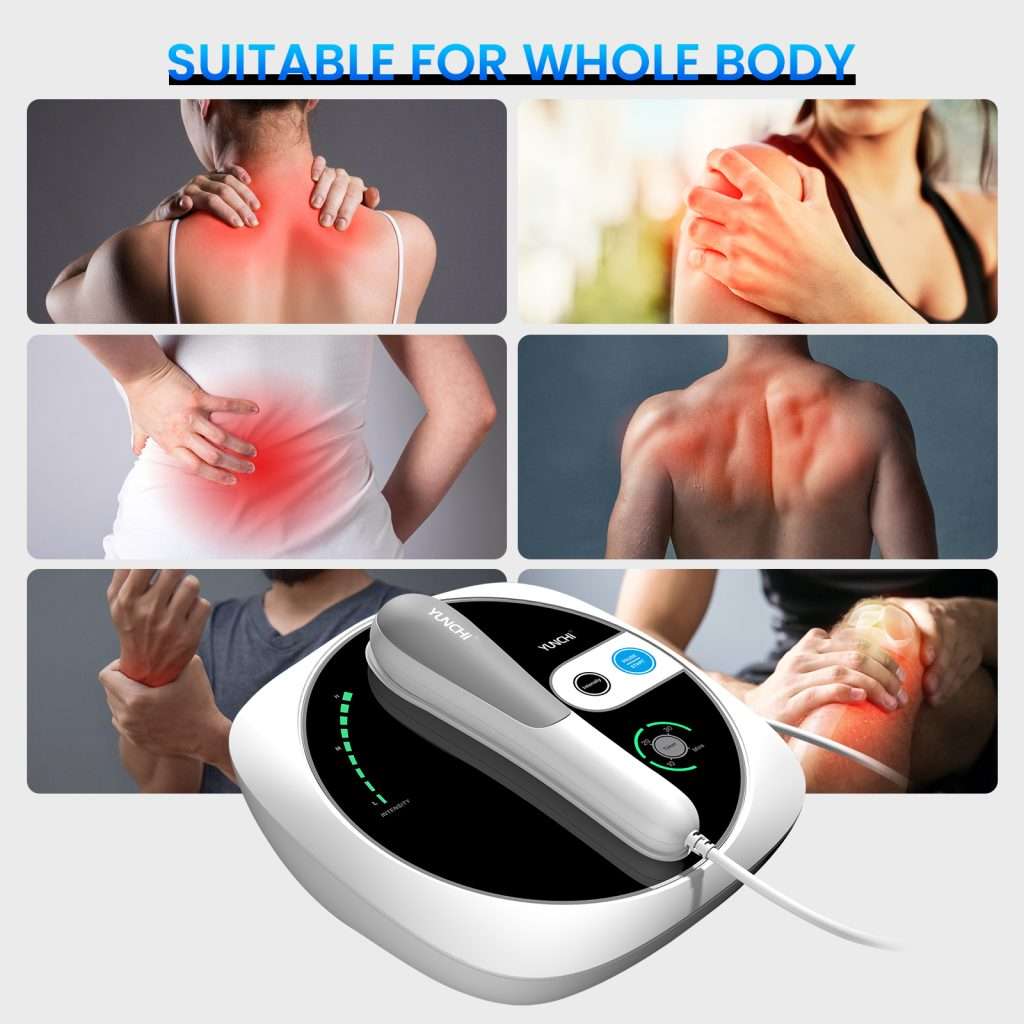
Ultrasound therapy machines utilize high-frequency sound waves to deliver therapeutic benefits. These sound waves are generated by a piezoelectric crystal within the machine. When an electric current is applied to the crystal, it vibrates, producing sound waves at a frequency higher than the human ear can detect (typically between 1 and 3 MHz).
Working Mechanism:
The generated sound waves are then transmitted through a coupling medium, such as gel or oil, onto the patient’s skin using a handheld transducer. As the sound waves pass through the body tissues, they cause microscopic vibrations and generate heat. This phenomenon is known as the piezoelectric effect.
Thermal Effects:
The generated heat helps in several ways. First, it increases blood circulation in the treated area, promoting the delivery of oxygen and nutrients to damaged tissues. Second, it enhances the elasticity of collagen fibers, facilitating improved joint mobility. Lastly, the application of heat can soothe muscle spasms, reducing pain and discomfort.
Cavitation and Microstreaming:
Besides thermal effects, ultrasound therapy machines also employ cavitation and microstreaming to promote healing. Cavitation refers to the formation and implosion of tiny gas bubbles within the tissues. This process stimulates cell membranes, promoting cell activity and tissue repair. Microstreaming, on the other hand, involves the creation of gentle fluid currents, which enhance cellular permeability and facilitate the transportation of nutrients and waste products.
Applications in Healthcare:
Ultrasound therapy machines find wide-ranging applications in the medical field. They are commonly used in rehabilitation centers for:
- Pain Management: Ultrasound therapy can alleviate chronic pain conditions such as arthritis, tendinitis, and bursitis, providing targeted relief to affected areas.
- Healing Soft Tissue Injuries: By increasing blood flow and promoting tissue regeneration, ultrasound therapy aids in the recovery of sprains, strains, and sports injuries.
- Physical Therapy: Ultrasound therapy is frequently incorporated into physical therapy sessions to improve joint flexibility, reduce inflammation, and enhance muscle relaxation.
- Scar Tissue Reduction: The deep heating effects of ultrasound therapy can help break down scar tissue, minimizing its appearance and improving function.
Conclusion:
Ultrasound therapy machines operate on the principles of high-frequency sound waves to deliver therapeutic benefits. With their ability to promote blood circulation, increase tissue elasticity, and aid in the healing process, these machines have become invaluable tools in various medical settings. Through their diverse applications, ultrasound therapy machines contribute significantly to patient recovery and well-being.
YUNCNI
Discover more from YUNCHI
Subscribe to get the latest posts sent to your email.
Thanks for sharing. I read many of your blog posts, cool, your blog is very good.
Your article helped me a lot, is there any more related content? Thanks!
What is the difference between the YUNCHI Ultra-sound Therapy Machine Model 01 and Model 02 except of the design and LCD display? Any different pro an cons?
Your article helped me a lot, is there any more related content? Thanks!
Thank you for your sharing. I am worried that I lack creative ideas. It is your article that makes me full of hope. Thank you. But, I have a question, can you help me?
Thank you for your sharing. I am worried that I lack creative ideas. It is your article that makes me full of hope. Thank you. But, I have a question, can you help me?
I don’t think the title of your article matches the content lol. Just kidding, mainly because I had some doubts after reading the article.
Your article helped me a lot, is there any more related content? Thanks!