

Arthritis is a leading cause of pain and disability worldwide. There are many suggestions for relieving pain from arthritis and other conditions through exercise, medication, and stress reduction. How do you know which approach is right for you?
Here are some considerations that will help you know which approach is right for you.
Basics
No matter what your condition is, managing pain will be easier if you follow these instructions:
Learn all about your condition, including what type of arthritis you have and whether any of your joints have been damaged
Let your doctor, friends, and family help you manage your pain
Tell your doctor if your pain changes
Daily care for your health
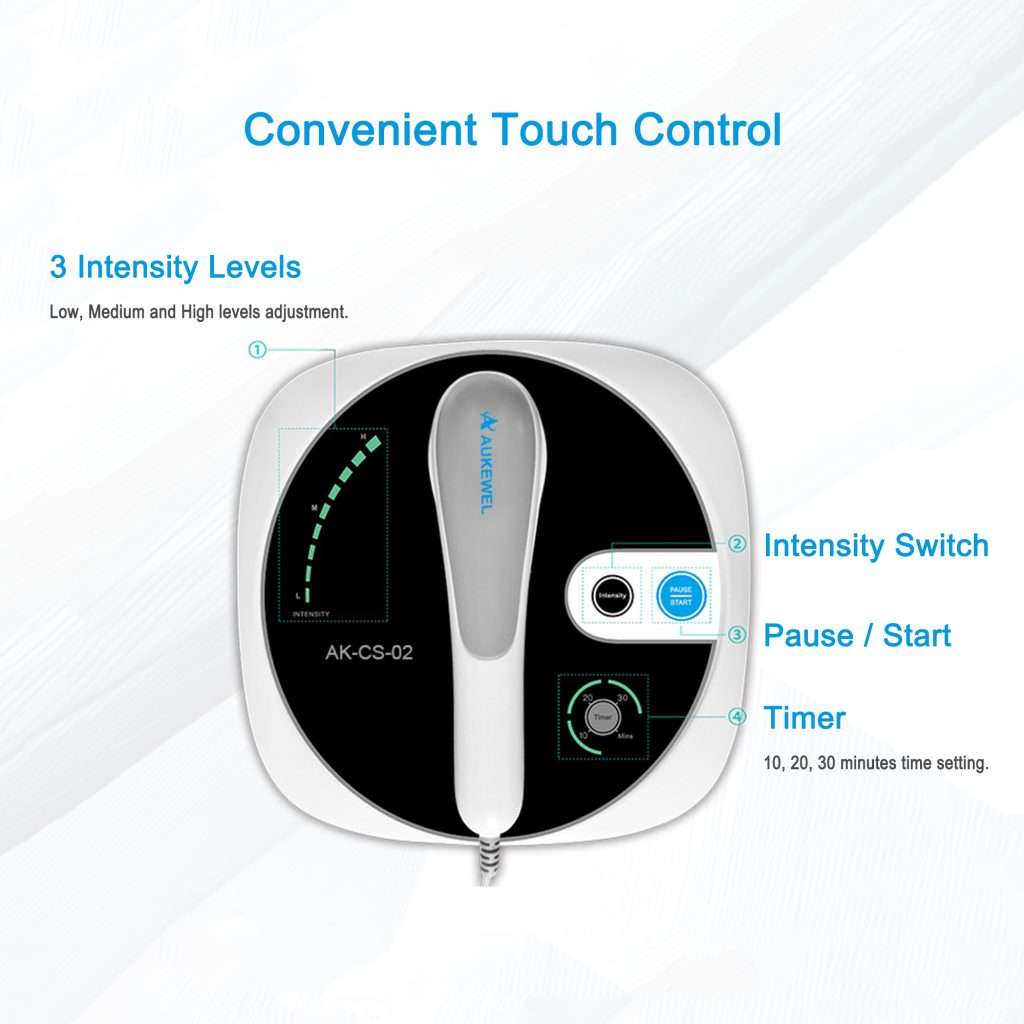
You can buy a YUNCHI ultrasonic therapy machine and keep it at home. You can do ultrasound therapy at home 3 times a week. Accelerate cell and blood circulation, reduce joint hardening, and the deep 1MHz ultrasound pulse can reach 4cm deep into the muscle/joint. There is no physical vibration and no painful treatment will be produced, so effective treatment can be performed without pain, and you don’t have to go to the hospital frequently, and you won’t incur high medical bills.
Click the link to view and purchase (worldwide air delivery): https://yunchiofficial.com/…/ultrasound-therapy-machine-2/
Daily activities
Pay attention to your joints, whether you are sitting, standing, or moving.
Keep your joints mobile. Do some gentle stretching exercises every day to allow your joints to move fully.
Maintain correct posture. A physical therapist can teach you how to sit, stand, and move in the correct posture.
Understand your limitations. Balance activity and rest, and don’t overdo it.
Lifestyle changes are also important to relieve pain.
Manage your weight. Being overweight can increase complications of arthritis and cause arthritis pain. Gradual, permanent lifestyle changes that promote gradual weight loss are often the most effective weight management methods.
Quit smoking. Smoking puts stress on connective tissue, which can increase arthritis pain.
Exercise
If you have arthritis, exercise can relieve pain and stiffness, increase joint mobility, strengthen muscles, and increase endurance.
What to do
Choose the right type of activity to exercise the muscles around the joints without damaging the joints. A physical or occupational therapist can help you develop an exercise program that’s right for you.
Focus on stretching, full-joint range of motion, and progressive strength training. Include low-impact aerobics, such as walking, biking, or water sports, which can improve mood and help control weight.
What to avoid
Avoid high-impact, repetitive-motion activities, such as:
Running
Jumping
Tennis
High-impact aerobics
Repeating the same motion over and over, such as a tennis serve
Medications
There are many types of medications available to relieve arthritis pain. Most are relatively safe, but no medication completely eliminates side effects. Talk to your doctor to develop a medication plan for your specific pain symptoms.
What to do
Over-the-counter pain relievers, such as acetaminophen (Tylenol, others), ibuprofen (Advil, Motrin IB, others), or naproxen sodium (Aleve), can help relieve occasional pain caused by activities that muscles and joints have difficulty accustomed to, such as going out to garden after spending the winter indoors.
Creams containing capsaicin can be applied to the skin over painful joints to reduce pain. Use alone or with oral medications.
If over-the-counter medications don’t relieve your pain, talk to your doctor.
What to avoid
Overtreatment. If you find yourself frequently using over-the-counter pain relievers, talk to your doctor.
Undertreatment. Don’t ignore severe and prolonged arthritis pain. This is a sign that you may have joint inflammation or joint damage that requires daily medication.
Focusing only on the pain. Depression is more common among people with arthritis. Doctors have found that treating depression with antidepressants and other therapies can not only reduce depression symptoms, but also arthritis pain.
Mind-body integration
It’s no surprise that arthritis pain can have a negative impact on your mood. If daily activities hurt you, you’re bound to feel frustrated. But when these normal feelings escalate into fearful, hopeless thoughts, your pain can actually become worse and more difficult to control.
What to do
Therapies to break the destructive mind-body dynamic include:
Cognitive behavioral therapy. This well-researched, effective combination of talk therapy and behavior modification can help you identify (and break) self-defeating cycles of thought and action.
Relaxation therapy. Meditate, do yoga, breathe deeply, listen to music, spend time in nature, write in a journal, anything that helps you relax. There’s no harm in relaxing, and it can help relieve pain.
Acupuncture. Some people find relief from pain through acupuncture, where a trained acupuncturist inserts thin needles into specific spots on your body. It may take a few weeks before you notice an improvement.
Heat and cold. Using heat, such as a heating pad on a painful joint, taking a hot bath or shower, or soaking a painful joint in warm paraffin wax, can temporarily relieve pain. Be careful not to burn yourself. Don’t use a heating pad for more than 20 minutes at a time.
After strenuous exercise, using cold compresses, such as applying an ice pack to a sore muscle, can relieve pain and inflammation.
Massage. Massage may temporarily improve pain and stiffness. Make sure your massage therapist knows where your arthritis is.
What to avoid
Smoking. If you’re addicted to smoking, you may be using it as an emotional coping tool. But it’s counterproductive: The toxins in the smoke can put stress on connective tissue, leading to more joint problems.
How to treat and care for arthritis: To alleviate pain and inflammation after strenuous exercise, consider using cold compresses like ice packs. Additionally, massage therapy can provide temporary relief by reducing pain and stiffness. However, it is important to inform your massage therapist about the specific areas affected by arthritis. It is also crucial to avoid smoking, as it can exacerbate joint problems by placing stress on connective tissues. Furthermore, maintaining a positive mindset is crucial, as negative thoughts can perpetuate the problem. Engage in enjoyable activities, seek support from loved ones, and consider speaking with a therapist to manage negative attitudes effectively.
Discover more from YUNCHI
Subscribe to get the latest posts sent to your email.
This article will assist the internet visitors for building up new weblog or even a
blog from start to end. https://jobs.jaylock-ph.com/companies/jp-bubinga-com/